
|
|
|
|
#1
|
||||
|
||||

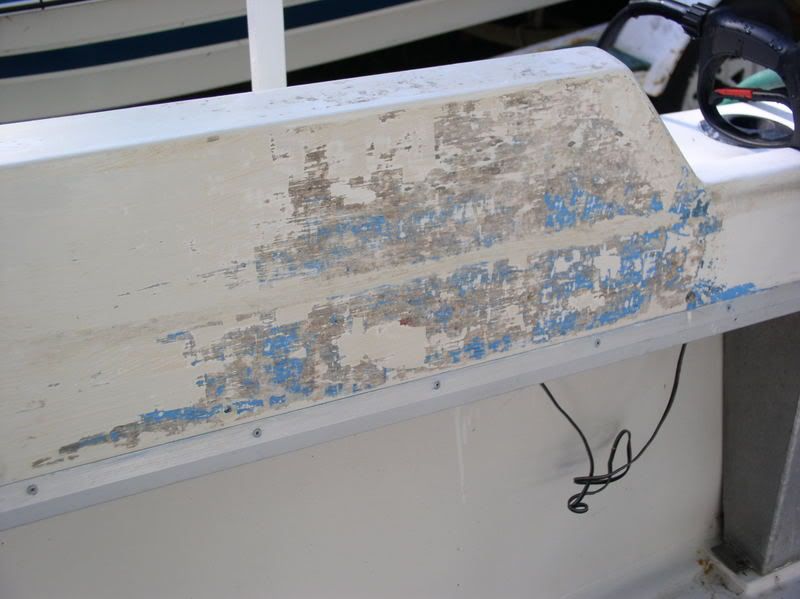
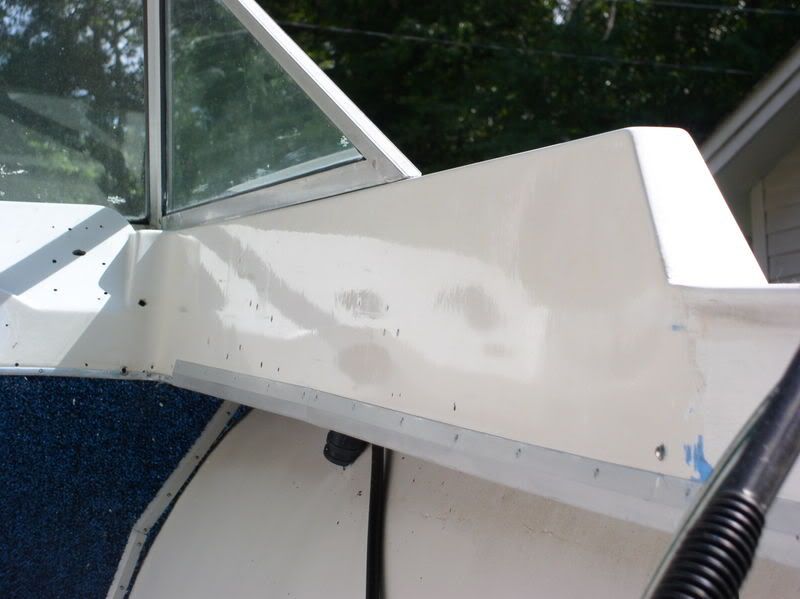
Be careful wet sanding. It's very helpful for you to know the history of the area to be worked, such as having been refinished, original, etc. As it can remove layers quickly.
This is the rubbing compound and polish I used in the past. The rubbing compound is not as aggressive as 400 grit sandpaper when wet sanding. If wet sanding is needed this compound and polish has been my next best step. I'd try it first. 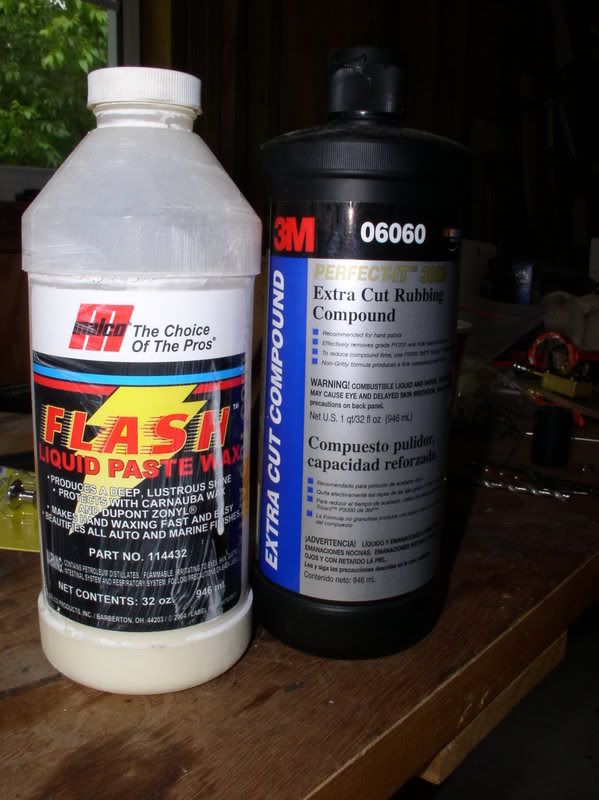
__________________
 '75 Cuddy with '00 Johnson Ocean Pro 150 horse Benny 
|
|
#3
 05-13-2017, 11:35 AM
|
||||
|
||||
|
I'd try some 2000 or 1500 then compound, polish, and wax. I wouldn't go any higher than 1000.
__________________
1999 Wellcraft 22WA-200 Ocean Runner 1982 Grady White Tarpon 190-110 Evinrude-Sold 1996 Striper 2100WA-RIP Sandy 1989 Wellcraft 18-Sport-125 Force-sold
|
 |
| Thread Tools | |
| Display Modes | |
|
|





 Hybrid Mode
