
|
|
#1
|
|||
|
|||
 86 fuel tank removal
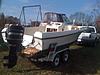
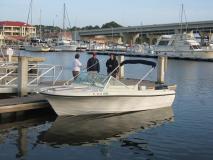
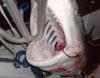
Working on my 86 stepliift, i started removing the factory fuel tank so i can have it pressure tested for leaks. I scrapped off as much of the foam around the tank and removed the two wooden floor supports (2x2) which were nailed in with rubber spacers under it. i power wash to remove as much of the foam around tank (messy). the tank wont move yet. this weekend i will use a Eng lift or come-along to lift the tank up slowly. I got as far as i can go around the tank. i enclosed a few pictures, will take some during lifting.
jet 

|
|
#2
 01-17-2013, 12:20 AM
|
||||
|
||||

how about using a piece of cable and a couple of handles to saw the tank free
EDIT: I guess it would be about impossible to get it under the tank
|
|
#4
01-17-2013, 09:52 AM
|
||||
|
||||
|
I did saw along the outside of mine with a handheld pruning saw, but no matter what, you will still need a come along to break it free. Run a 2 x 4 across the gunnels to support it, and you should be able to break it free. Good luck.
|
|
#5
01-17-2013, 10:36 AM
|
||||
|
||||
|
I pulled mine with the cap off. I used a chainsaw around the edges and no luck. I was lifting the back of the boat off the trailer. So I tear the front bulkhead out and go under the tank with the chainsaw as far as I could. My saw has a 22" bar. Try lifting again and still lifting the entire boat. So I turn the boat uphill put the plug in and start filling it with water while the back is hanging by the fuel tank. Then I said to hell with it and start driving wedges under the tank. I begin to hear something ripping and panic. Before I could let down on my winch the whole boat dropped onto the trailer and my fuel tank was floating in about six or eight inches of water. Turns out the foam itself ripped apart. Now this is with the cap off and a bulkhead ripped off.
__________________
1983 V-20 capsized. . . . in the garage.
|
|
#6
02-27-2013, 09:15 AM
|
|||
|
|||
|
86 fuel tank removal
well i having no luck with this fuel tank removal, i broke off the fuel tank outlet, and the fuel tank inlet is slightly crush, the tank area around the inlet flexes, but that's all i get. i dont want to remove cap, or cut any of the stringers of frame. last hope will be to fill tank with water to removal any gas uels and cut tank open :( any another ideals out there.
jet 
|
|
#7
02-28-2013, 12:58 AM
|
|||
|
|||
|
i use a tree chain saw to get my out i did not have to cut the stringers if you be careful you can get it out you have to cut deep then use the engine lift to take it out hope to help
 
|
|
#8
03-02-2013, 07:38 AM
|
||||
|
||||
|
Quote:
|
|
#9
03-02-2013, 07:31 PM
|
||||
|
||||
|
I have an 85 steplift and considered this myself. I chose to leave it in since I see no reson to pull it. Why are you removing it in the first place? I can understand preventive maintenance, but is there a failing tank issue with these boats I dont know about? Also, your 1 1/2" filler hose looks like mine, would you replace that too or is it ok to have fine exterior stress fractures since its so thick anyway.
|
|
#10
03-02-2013, 08:07 PM
|
|||
|
|||
|
How about the possibility of cutting around the top perimeter of the old tank and finding a new tank to fit inside of the old tank.

|
 |
| Thread Tools | |
| Display Modes | |
|
|








 Linear Mode

